
Bridging the IT/OT Divide in Manufacturing: Connecting Enterprise Systems to the Shop Floor for Operational Efficiency
By Terrence Lewis, Centex Automation
In modern manufacturing, the gap between "information technology (IT) and operational technology (OT)" creates significant challenges for operational efficiency. As organizations aim to optimize their production processes and facilitate real-time data flow, understanding how to bridge this divide is essential. This article explores the mechanisms of IT/OT integration, its criticality in enhancing operational efficiency, and the various methods available to achieve a seamless connection between enterprise-level processes and shop floor operations.
Manufacturers often face issues such as inefficient workflows and data silos that hinder productivity. Addressing these pain points through effective IT/OT convergence presents a viable solution. We will delve into methods that enhance operational performance, identify challenges inherent in the integration process, and propose potential solutions to these challenges. Understanding these dynamics can empower organizations to leverage technology for improved production and decision-making capabilities.
Methods for Enhancing Operational Efficiency
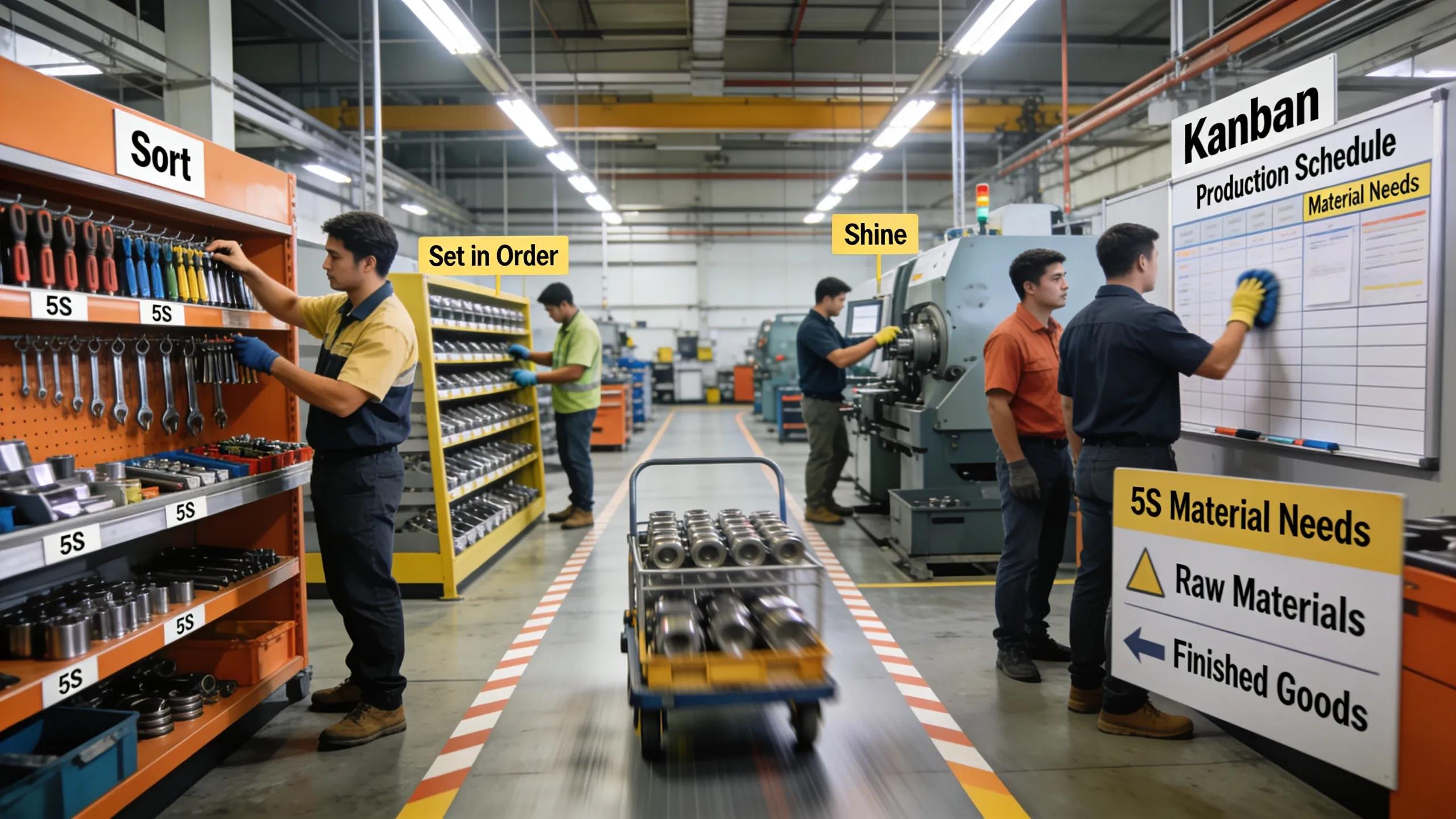
Operational efficiency in manufacturing can be significantly improved through a combination of strategic techniques and technologies.
-
Lean Techniques: Implementing lean practices, such as 5S and Kanban, optimizes workflows by minimizing waste and ensuring efficient material handling.
-
Physical Solutions: Enhancements, including optimized layout designs and machinery arrangement, facilitate smoother material flow and reduce physical bottlenecks.
-
Continuous Improvement: Adopting a culture of ongoing evaluation and adaptation in processes ensures that efficiencies are identified and implemented regularly.
Engaging in these methods helps align manufacturing operations with overall business objectives, paving the way for long-term improvements.
Challenges in the Integration Process
Despite its advantages, the integration of IT and OT often faces several hurdles.
-
Inter-station Waste: The lack of synchronization between systems can lead to inefficiencies and unnecessary delays in the manufacturing process.
-
Network Security Concerns: Integrating disparate systems increases the vulnerability to cyberattacks, necessitating enhanced security protocols.
-
Skills Gaps: The workforce may lack the necessary training to navigate integrated systems effectively, which can stall digital transformation initiatives.
Identifying and understanding these challenges is the first step towards developing effective strategies for overcoming them.
Potential Solutions to Overcome Challenges
To ensure successful IT/OT integration, organizations can implement several strategies:
-
Conduct Thorough Assessments: Evaluating existing systems and processes helps pinpoint areas that require integration and optimization.
-
Implement IT/OT Segmentation: Segregating systems based on their functions can provide security and performance advantages while facilitating gradual integration.
-
Invest in Training Programs: Developing targeted training programs for employees ensures they have the necessary skills to operate integrated systems efficiently.
By proactively addressing these challenges, manufacturers can "harness the full potential" of IT/OT convergence.
What Is IT/OT Integration in Manufacturing and Why Is It Critical?
IT/OT integration refers to the alignment of information systems with operational technologies, fostering a collaborative environment where data flows seamlessly between enterprise systems and shop floor machinery. This integration is critical for enhancing productivity, improving decision-making capabilities, and ensuring operational resilience.
Key Components:
-
Network Architecture: A robust and flexible network infrastructure is vital for facilitating communication between IT and OT.
-
Cybersecurity Measures: Implementing strong security protocols safeguards organizational data and operational integrity.
-
Data Management and Automation: Effective data handling processes streamline information flow and enhance automation capabilities.
Critical Importance:
The critical importance of IT/OT integration cannot be overstated as it drives:
-
Enhanced Productivity: Streamlined processes and real-time data access enable manufacturers to respond swiftly to market demands.
-
Improved Security: Integrated systems can bolster security measures through centralized management.
-
Competitive Advantages: Organizations leveraging IT/OT integration can stay ahead of the competition by optimizing performance and reducing costs.
Defining IT/OT Convergence and Its Role in Industrial Automation
IT/OT convergence represents a strategic approach that merges information technology with operational technology systems in manufacturing settings. This convergence fosters real-time data sharing, enhancing decision-making processes and overall operational efficiency.
The role of IT/OT convergence in industrial automation is paramount as it facilitates the synchronization of data across different levels of manufacturing. Real-time insights allow for agile responses to operational changes, ultimately leading to improved performance metrics.
Key Benefits of Connecting Enterprise Systems with Shop Floor Machinery
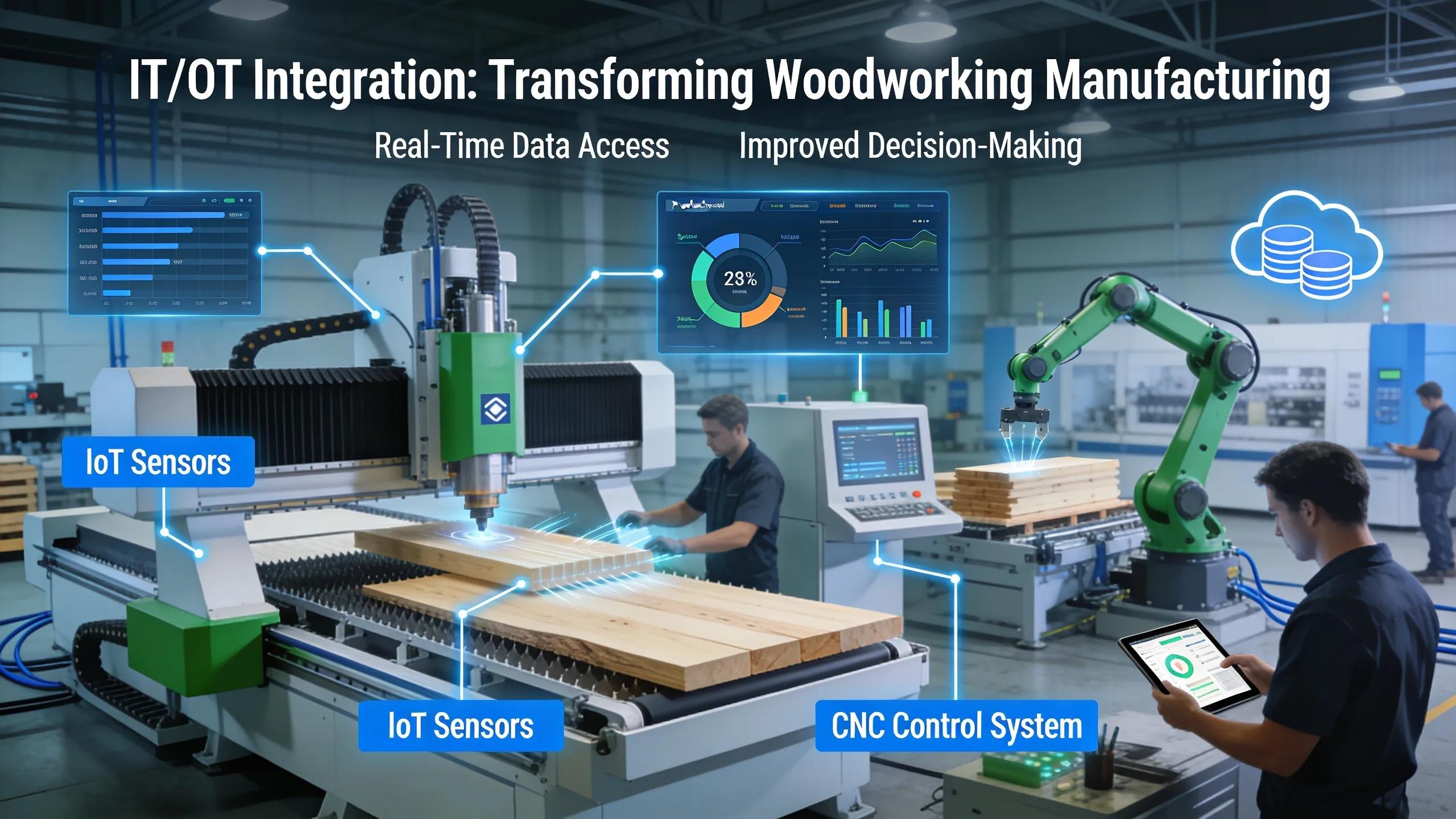
Integrating enterprise systems with shop floor machinery offers several advantages:
-
Operational Efficiency Improvements: Enhanced process visibility leads to quicker responses and less downtime.
-
Real-Time Data Access: Immediate access to data enables more informed decision-making and resource allocation.
-
Enhanced Decision-Making Capabilities: Centralized data analytics empower management with actionable insights.
For those looking to improve their operational capabilities with advanced machinery, "Centex Automation" offers a variety of woodworking machinery solutions tailored to support IT/OT integration, including new and used equipment that maximize efficiency and performance.
How Do Enterprise Systems Connect to Shop Floor Equipment Effectively?
Effective connections between enterprise systems and shop floor equipment require careful planning and the right technologies.
-
Integration Methods for ERP and MES with Woodworking Machinery: Businesses typically utilize various methods for integrating Enterprise Resource Planning (ERP) systems and Manufacturing Execution Systems (MES) with machinery, ensuring compatibility through advanced interfaces.
-
Technologies Enabling Seamless Data Flow: Embracing technologies such as IoT devices and advanced networking solutions enhances the exchange of information between IT and OT layers, fostering a connected manufacturing environment.
-
Impact on Operational Efficiency: A well-executed integration process results in substantial improvements in operational efficiency, ultimately driving profitability.
Integration Methods for ERP and MES with Woodworking Machinery
-
Microservices Architectures: These flexible architectures allow for modular integration, making it easier to adapt to changes.
-
Middleware Solutions: Middleware can enhance communication and data exchange between disparate systems, ensuring smooth operations.
-
Standardized Protocols: Utilizing industry-standard communication protocols facilitates compatibility across various systems and machines.
By employing these integration methods, businesses can achieve a cohesive operational structure that maximizes efficiency.
Technologies Enabling Seamless Data Flow Between IT and OT Layers
-
Advanced Networking Solutions: Robust network infrastructure supports high-speed data transfer and enhances system connectivity.
-
IoT Integration: The Internet of Things (IoT) connects devices and allows for continuous data collection, enhancing real-time decision-making.
-
Cybersecurity Protocols: Effective cybersecurity measures protect against threats, maintaining the integrity of the data flow.
Integrating these technologies is essential for achieving real-time operational insights that drive performance improvements.
Which Woodworking Machinery Solutions Support IT/OT Integration?
-
CNC Routers: These machines offer precise cutting capabilities while being easily programmable, allowing for seamless integration with enterprise systems.
-
Edgebanders: Capable of enhancing finishing processes, edgebanders are critical for high-quality outputs and can be integrated into smart manufacturing environments.
-
Combination Machines: These versatile machines cater to multiple woodworking tasks and offer connectivity features to facilitate data sharing across systems.
Features of New and Used Woodworking Machines for Enterprise Connectivity
|
Machinery Type |
Feature |
Integration Capability |
|---|---|---|
|
CNC Routers |
Programmable interfaces |
High compatibility with ERP systems |
|
Edgebanders |
Smart technology |
Real-time data reporting |
|
Combination Machines |
Multifunctional operations |
Easy tracking of production metrics |
These capabilities showcase how modern woodworking machinery can be tailored for maximum integration within manufacturing operations.
How Do Technical Services and Lean Consulting Facilitate IT/OT Convergence?
-
Preventive Maintenance Services: Regular maintenance ensures that both IT and OT systems operate effectively, minimizing downtime.
-
Software Integration and Consulting: Expert guidance on integrating software solutions can improve data flow and operational efficiency.
-
Focus on Lean Manufacturing Techniques: Consulting services that emphasize lean techniques can uncover efficiencies and support IT/OT alignment.
Consulting Approaches for Optimizing Shop Floor Processes and Integration
-
Process Mapping: Visualizing workflows helps identify bottlenecks and areas for improvement.
-
Lean Techniques Implementation: Applying lean principles can streamline processes and enhance productivity.
-
Continuous Improvement Methodologies: Establishing a culture of continuous improvement keeps operations agile.
These approaches not only facilitate smoother integration but also ultimately drive long-term operational enhancements.
Case Studies Demonstrating ROI from IT/OT Integration in Woodworking
-
For instance, manufacturers that have implemented integrated solutions report a 30% reduction in operational costs due to enhanced efficiency.
-
Another case revealed a 40% increase in production output from automating data collection and analysis.
These metrics underline the financial and operational benefits that resonate from effective IT/OT convergence, thereby justifying continued investment in these integration efforts.
Leave a comment