
Active Orchestration vs. Passive Visibility in Plant Operations: Optimizing Manufacturing Process Control
By Terrence Lewis, Centex Automation
In modern manufacturing, distinguishing between "active orchestration" and passive visibility is essential for enhancing operational efficiency. Active orchestration involves proactive management of resources and processes, ensuring smooth workflow and minimizing interruptions. In contrast, passive visibility provides a reactive framework that merely monitors and displays operational data. This article will delve into the intricacies of these concepts, highlighting their applications in plant operations, particularly in woodworking manufacturing. Readers will understand how active orchestration can lead to significant improvements in operational efficiency and overall production control.
Additionally, we will explore the limitations of solely relying on passive visibility, address common challenges in transitioning from passive to active systems, and discuss the substantial benefits of adopting a more integrated approach. Crucial insights will be provided on how active orchestration leverages technical services and machinery solutions, paving the way for lean manufacturing principles to flourish.
What distinguishes active orchestration from passive visibility in manufacturing?
Active orchestration refers to the continuous management and adjustment of production processes to optimize resource utilization and workflow. By actively orchestrating operations, manufacturers can address issues proactively, enhance "production control", and significantly improve efficiency. On the other hand, passive visibility offers merely a snapshot of production status, relying heavily on data collection without active intervention. This reliance on real-time tracking can lead to inefficiencies as it doesn't provide immediate solutions to identified problems.
Integration of tools and technologies that facilitate active orchestration is a game-changer in this context. For instance, Centex Automation specializes in providing solutions that bridge this gap, ensuring manufacturers can maintain oversight while actively engaging in their operations. This increment in control allows for agility in processes, making it a pivotal aspect for manufacturers.
How does active production control enhance plant operational efficiency?
Active production control enhances efficiency by implementing visual management techniques and optimizing workflow through automation. These mechanisms enable quick identification of bottlenecks, leading to timely interventions that minimize downtime. With active orchestration, organizations can streamline communication and resource allocation, resulting in smoother operations and increased throughput.
Moreover, real-time tracking and adjustments guided by "data analytics" lead to better decision-making. This proactive approach reduces waste and enhances sustainable practices throughout the plant lifecycle.
What are the limitations of relying solely on manufacturing data visibility?
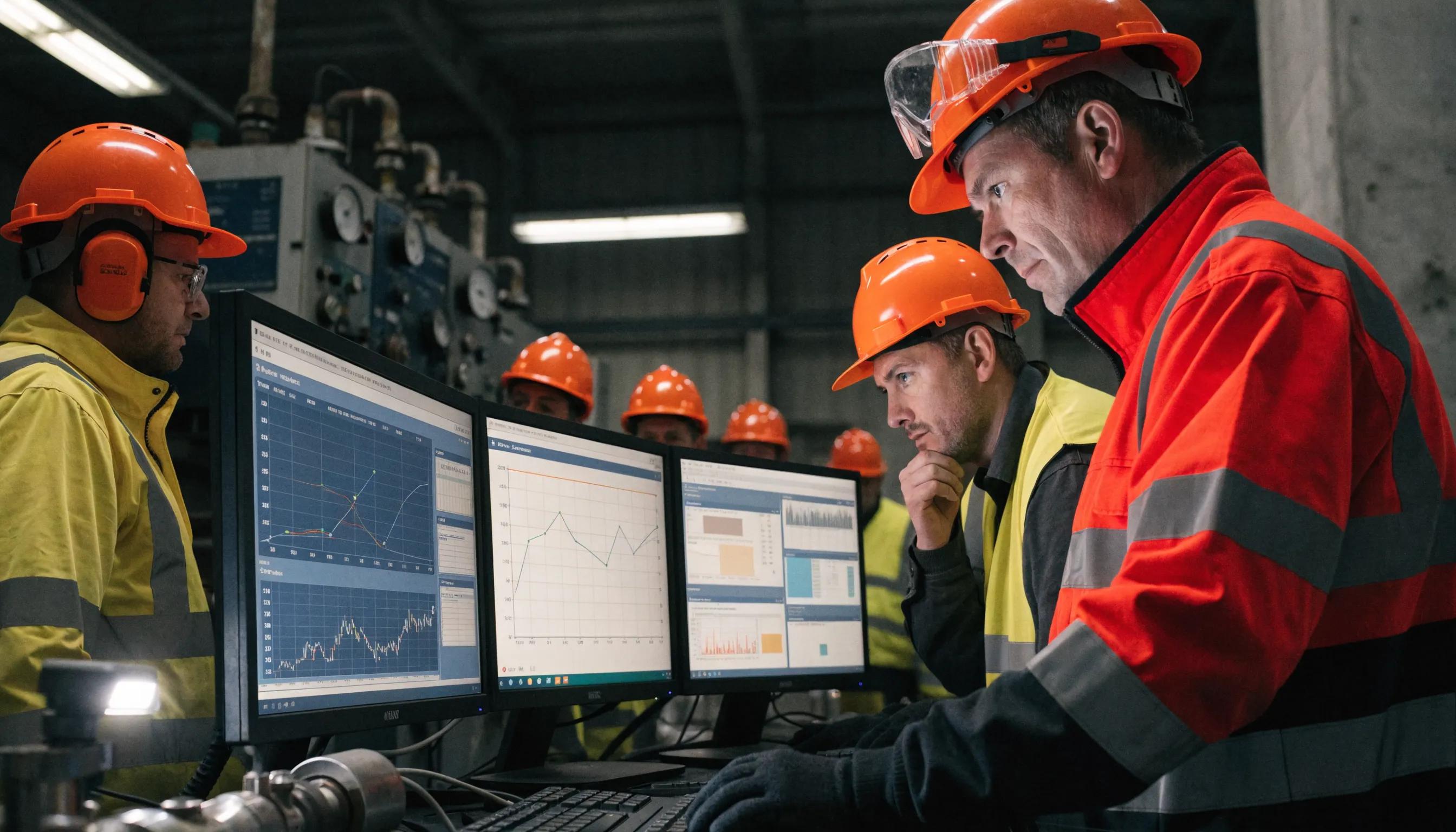
Relying entirely on passive visibility comes with significant limitations. Primarily, this approach tends to be reactive rather than proactive. While it collects and displays data, it fails to provide actionable insights without a framework for interpretation. Additionally, this inflexibility can hinder rapid adjustments necessary in dynamic production environments, often leading to missed opportunities for optimization.
Furthermore, the cost implications of inefficiencies from a passive system can accumulate over time, resulting in increased operational expenditures. Organizations may overlook critical areas needing attention, contributing to overall inefficiencies in their manufacturing processes.
How does active orchestration improve woodworking manufacturing workflows?
Active orchestration particularly benefits woodworking manufacturing by integrating various technical services tailored for efficiency and productivity. This includes deploying advanced machinery solutions that work cohesively within the orchestration framework. The emphasis on seamless coordination among machinery and workforce not only boosts output but also improves product quality.
Centex Automation provides essential services that empower manufacturers in their transition towards active orchestration. By adopting their custom machinery solutions, manufacturers can experience significant advances in both efficiency and accuracy of production processes.
Which technical services and tooling solutions support orchestration implementation?
Several technical services and tooling solutions enhance the implementation of active orchestration. These include:
-
Custom Machinery Solutions: Tailored machinery designed to meet specific manufacturing needs accelerates production while reducing errors.
-
Data Analytics Tools: Advanced analytics tools help track performance and identify areas for improvement, fostering a proactive environment.
-
Integration Services: Seamless integration between existing systems and new technologies maximizes operational efficiency.
These solutions collectively support a shift to dynamic workflow management, allowing plants to achieve agility and resilience in a competitive market.
What role do lean manufacturing principles play in workflow automation?
Lean manufacturing principles play a crucial role in enhancing the efficiency of automation within orchestration frameworks. These principles advocate for minimizing waste while maximizing productivity, emphasizing continuous improvement in processes. Integration of lean methodologies fosters an environment where every aspect of production is scrutinized for potential efficiency gains.
For instance, implementing techniques such as value stream mapping can provide insights into workflow inefficiencies, guiding adjustments that align production closely with demand. This holistic approach ensures optimal resource utilization, contributing to overall operational excellence.
What challenges affect the transition from passive visibility to active orchestration?
Transitioning from passive visibility to active orchestration is not without its challenges. Technological barriers often arise, particularly concerning the integration of legacy equipment with new orchestration technologies. As organizations strive to modernize, these technological constraints can impede progress.
Moreover, cultural resistance to change can hinder implementation. Employees accustomed to passive systems may be hesitant to embrace new methodologies, leading to friction during the transition phase.
How do integration and legacy equipment impact orchestration adoption?
Integration and legacy equipment significantly affect the adoption of orchestration in manufacturing environments. Older machinery may lack the capabilities to synchronize with modern systems, creating gaps that can result in inefficiencies.
The costs associated with upgrading equipment can also deter organizations from pursuing orchestration. However, careful assessment and investment in compatible technologies can ultimately enhance productivity and ensure a more seamless operational flow.
Which strategies mitigate operational downtime during orchestration deployment?
To mitigate operational downtime during the transition to active orchestration, manufacturers can implement several strategies:
-
Comprehensive Planning: Assessing current processes and planning the transition timeline helps minimize disruptions.
-
Training Programs: Regular training sessions for staff allow them to adapt to new systems and practices, reducing resistance.
-
Pilot Testing: Running pilot tests on a smaller scale before full implementation can help identify potential issues without halting entire operations.
These strategies can effectively ease the transition while maintaining operational continuity.
What measurable benefits result from implementing active orchestration in plant operations?
Implementing active orchestration brings measurable benefits, including increased operational efficiency, reduced lead times, and improved production quality. These advantages emerge from a more integrated approach to managing resources, enabling manufacturers to respond swiftly to changing demands.
By fostering proactive management practices, organizations can unlock significant productivity improvements and better align production capabilities with market needs.
Which case studies demonstrate productivity improvements in woodworking manufacturing?
Case studies reveal remarkable productivity boosts within the woodworking sector as companies adopt active orchestration. For instance, one leading manufacturer experienced a 30% increase in output within six months of implementing orchestration solutions.
Another organization reported a decrease in operational delays, resulting in faster project completions and higher customer satisfaction rates. These cases underline the transformative potential of active orchestration in driving better results.
How do orchestration platforms contribute to continuous process optimization?
Orchestration platforms play a pivotal role in continuous process optimization by facilitating real-time data feedback and integrating with IoT technologies. This connectivity allows plants to monitor performance metrics continuously and make data-driven decisions.
The implementation of orchestration platforms leads to the establishment of feedback loops that support ongoing improvement cycles, ensuring manufacturing processes adapt swiftly to emerging trends and demands.
Leave a comment