

Empowering the Modern Connected Worker with Human-In-The-Loop Automation: Practical Solutions and Industrial Impact
By Terrence Lewis, Centex Automation
In an era where efficiency and adaptability are essential for manufacturing success, "human-in-the-loop (HITL) automation" empowers connected workers by blending human insight with sophisticated algorithms. This article explores how HITL systems enhance productivity, particularly in woodworking manufacturing, allowing workers to leverage technology while retaining critical oversight. Many organizations face challenges in achieving optimal workflow efficiency and operational flexibility. HITL automation presents a powerful solution by merging human expertise with machine precision, ultimately leading to improved processes and outcomes. We will discuss specific machinery that integrates HITL systems, the benefits of automated woodworking machinery, the role of lean process consulting, and future trends in connected worker automation.
What Is Human-In-The-Loop Automation in Connected Worker Solutions?
Human-in-the-loop automation refers to systems that incorporate human intervention at critical points within automated processes, ensuring the benefits of both machine efficiency and human judgement. This approach is pivotal in modern manufacturing as it allows for the continuous involvement of workers in decision-making and operational adjustments. By integrating human expertise, HITL enhances the adaptability of manufacturing processes and improves quality control, ensuring that machines operate optimally. This fusion of technology and labor not only maximizes productivity but also addresses complexities that fully automated systems may struggle to manage.
Which Woodworking Machinery Integrates Human-In-The-Loop Automation?
A variety of woodworking machinery now incorporates human-in-the-loop automation, enhancing operational efficiency and versatility. Examples of these machines include:
-
CNC Routers: These machines automate cutting tasks while allowing operators to input design variations as needed, ensuring precision in customized applications.
-
Automated Cutting Systems: Such systems combine automated processes with operator oversight to ensure accuracy in both mass production and custom jobs.
-
Smart Saws: These devices utilize sensors to alert operators about maintenance needs and safety concerns, merging real-time data with human insights.
Integrating HITL systems into woodworking machinery facilitates a more dynamic response to operational needs and promotes a safer working environment for connected workers.
What Are the Benefits of New and Used Automated Woodworking Machinery?
Investing in "automated woodworking machinery" offers significant advantages for manufacturers, both for new and used equipment. Key benefits include:
-
Cost-Effectiveness: Used machinery often presents a more affordable option for manufacturers exploring automation, enabling them to enter this innovative sector without significant financial strain.
-
Advanced Capabilities: New machinery typically features cutting-edge technologies, such as IoT connectivity, which allows for real-time monitoring and adjustments to optimize performance.
-
Enhanced Productivity: Automated systems increase throughput by reducing the time required for operations, allowing workers to focus on more complex or creative tasks.
By understanding these benefits, companies can strategically decide on the machinery that best fits their operational needs, ensuring investment in technology yields significant returns.
Centex Automation is a specialized provider focused on advanced woodworking manufacturing machinery, tooling, technical services, and consulting. This ensures customers achieve operational excellence with high-quality products tailored to meet their specifications.
How Do Technical Services and Tooling Support Connected Worker Effectiveness?
Technical services and tooling are integral to maximizing the effectiveness of connected workers in automated environments. Not only do they provide essential maintenance and support for machinery, but they also equip workers with the necessary tools to manage complexity within automated systems. Regular technical support ensures machinery is performing at peak efficiency, which can prevent costly downtimes and allow for swift resolution of potential operational issues. Furthermore, adequate tooling tailored for specific applications enhances worker confidence, enabling them to utilize automated systems to their full potential.
How Does Lean Process Consulting Complement Human-In-The-Loop Automation?
Lean process consulting focuses on optimizing operations by minimizing waste and enhancing value. This approach complements human-in-the-loop automation by allowing organizations to implement systematic changes that improve operational workflows. Consultants work with teams to identify inefficiencies and recommend modifications that enhance the productivity of HITL systems. By creating environments where human insight significantly influences automation parameters, businesses can achieve a synergistic effect that drives efficiency and improves overall performance.
What Lean Manufacturing Principles Improve Workflow with Connected Workers?
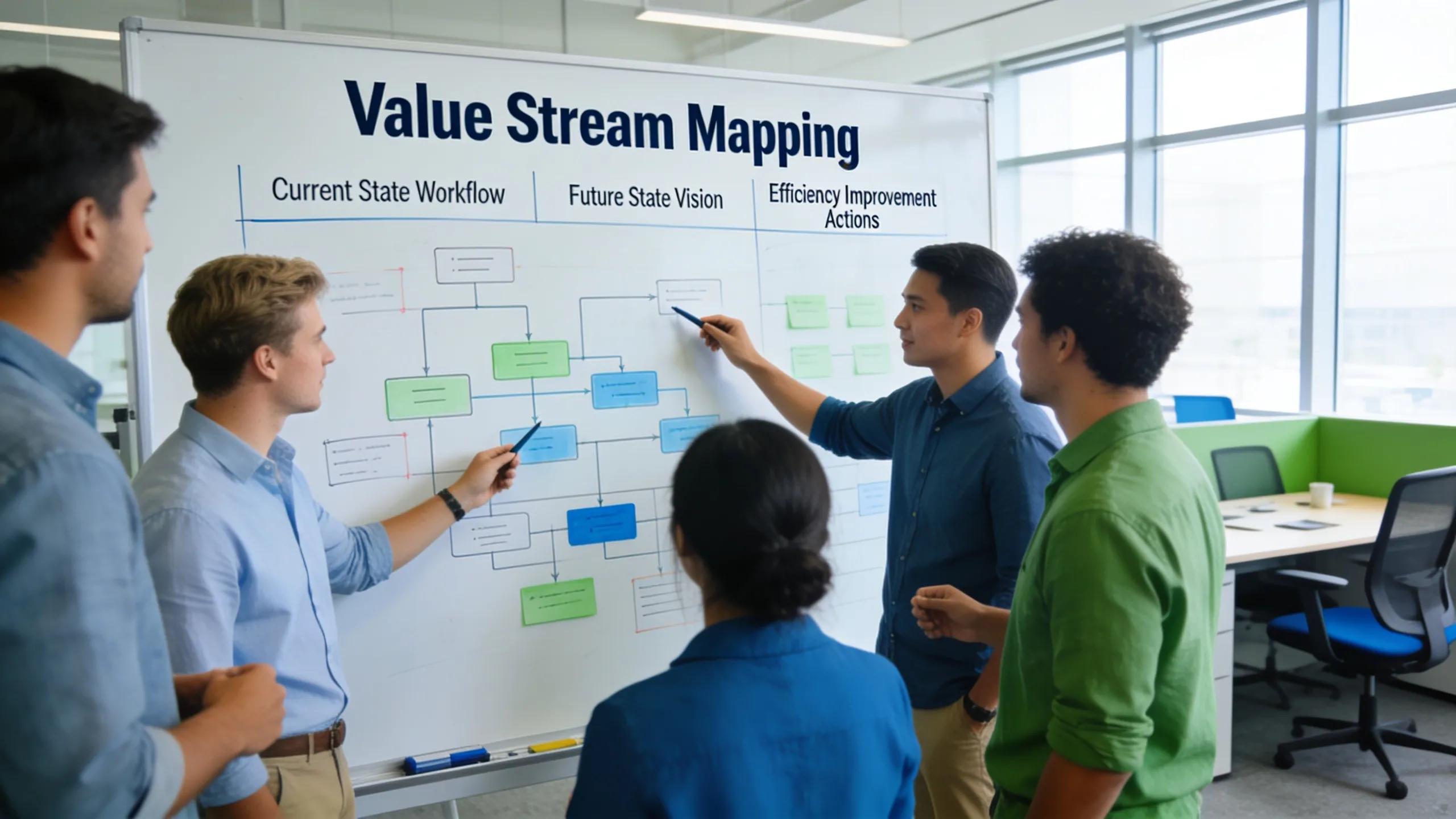
Several "lean manufacturing principles" significantly enhance workflow for connected workers, particularly in an HITL context:
-
Continuous Improvement: Encouraging ongoing feedback from workers optimizes both human involvement and automated processes.
-
Value Stream Mapping: This technique identifies all steps in a manufacturing process to eliminate waste and enhance value generation.
-
Standardized Work: Developing consistent methods for repetitive tasks allows workers and machines to operate more cohesively, ensuring reliability and safety in production.
These principles align human efforts with technical capabilities, fostering a collaborative environment where both can thrive.
What Are Emerging Trends and Future Directions for Connected Worker Automation?
The landscape of connected worker automation is evolving, showcasing new trends driven by advancements in technology. One significant trend is the increased integration of Internet of Things (IoT) devices that facilitate real-time data sharing, enabling better decision-making and operational responsiveness. Another emerging direction involves the adoption of artificial intelligence (AI) in HITL systems, where machine learning algorithms analyze data streams to suggest adjustments that improve performance.
How Is IoT Integration Advancing Real-Time Decision Making in Manufacturing?
IoT integration is revolutionizing decision-making by providing connected workers with instant access to valuable insights. Through sensors and connected machinery, real-time data on production rates, equipment health, and market demand can be shared among stakeholders. This instant access enables quick adjustments to workflows and resource allocation, enhancing overall efficiency. Workers can respond quickly to operational needs, decreasing delays and maximizing productivity.
What Competitive Advantages Do Human-In-The-Loop Systems Provide in Woodworking?
Human-in-the-loop systems present several competitive advantages in the woodworking sector:
-
Adaptability: Such systems can easily adjust to changing production requirements while maintaining quality.
-
Error Reduction: Human oversight minimizes the likelihood of errors that may occur in fully automated processes, particularly in complex tasks.
-
Higher Quality Products: With operators actively involved in the process, quality control can be maintained more effectively, resulting in superior end products.
Employing HITL systems nurtures a collaborative environment that ultimately enhances manufacturing outcomes, making companies that embrace this technology more competitive in the dynamic woodworking market.
Leave a comment